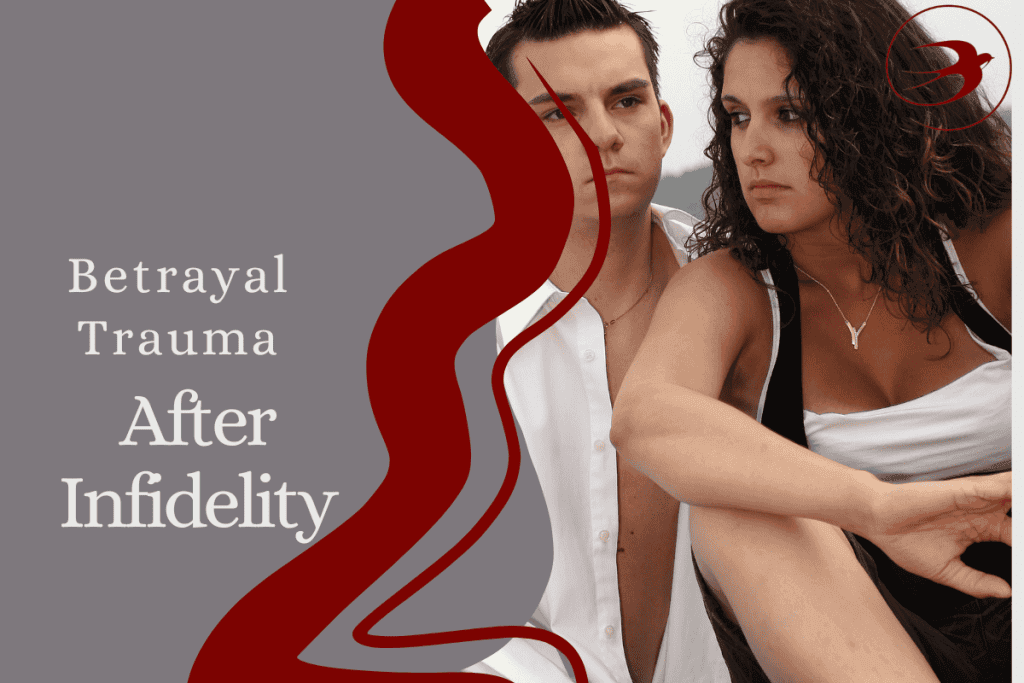
After infidelity, many people say, “I don’t feel like myself.” You may cry and then go numb. You may feel shaky, sick, angry, or unable to focus. You might even feel like your brain will not stop.
Betrayal trauma after infidelity is what can happen when the person you trust becomes the person who hurts you. Your body can react as if you are in danger, even if you are sitting in your kitchen. This is a real part of infidelity recovery, and it helps to name it so you stop blaming yourself.
If this is you, I want you to hear this clearly. Your response makes sense. You are not weak. You are having a normal reaction to a deep relational wound.
Common Signs of Betrayal Trauma After Infidelity
After infidelity, many people don’t just feel hurt emotionally; they feel changed in their body and mind. You might notice:
- “Mind movies” that replay what happened
- Sudden panic, nausea, or shaking
- Trouble sleeping or eating
- Checking behaviors (phone, social media, repeated questions)
- Numbness or feeling unreal
- Anger that feels bigger than you expected
These are common signs of betrayal trauma. They do not mean you are weak or dramatic. They are signs your nervous system is responding to a traumatic rupture in safety. This is the trauma of betrayal, and your body is saying, “I need safety.”
For many, these reactions closely resemble post-traumatic stress or PTSD symptoms, even if the threat was emotional rather than physical.
Why Does Your Body React This Way?
Your brain is designed to detect danger and protect you. When you are betrayed, especially by an intimate partner, your brain may register that rupture as a serious threat. Trust is a form of safety. When it is shattered, your nervous system can move into survival mode.
That is why you may feel on edge all day or unable to relax. It is also why a betrayed partner may flip between wanting closeness and wanting distance. One part wants comfort and reassurance. Another part wants protection from further harm. Both responses are survival responses to unresolved trauma.
This reaction is not a personal failure. It is a stress disorder response to a deep attachment wound.
If shame shows up around these reactions, try this sentence:
“My body is responding to a wound.”
What Helps In The First Weeks

In the early phase of affair recovery, small stabilizing steps matter more than deep processing. Here are a few tools that are simple but powerful:
1) Ground your body.
Press your feet into the floor. Name five things you see. Slow your breathing. These grounding practices help calm post-traumatic stress responses and remind your body that the danger is not happening right now.
2) Limit pain-searching at night.
Late-night questioning or detail-seeking often increases trauma symptoms and mind movies. If answers are needed, schedule those conversations during the day when your nervous system has more capacity.
3) Eat small, steady meals.
Trauma makes it easy to forget food. Even small nourishment supports your brain and reduces the intensity of traumatic stress.
4) Choose one safe person.
A calm friend, pastor, therapist, or trauma specialist can help regulate your nervous system. You do not need many voices. You need one steady one.
Healing does not mean rushing. It means stabilizing.
A calm friend, pastor, or therapist can help you stay steady.
What the Partner Who Cheated Can Do To Reduce Trauma
If you are the unfaithful partner and want to rebuild the relationship, your actions directly affect whether trauma eases or deepens. To support healing:
- Tell the truth fully, not in pieces
- Stop all contact with the other person
- Offer steady transparency without complaining
- Respond to triggers with comfort, not defensiveness
- Accept that rebuilding trust takes time
These steps help the betrayed partner’s nervous system begin to feel safe again. Not perfect words, but consistent actions help heal unresolved betrayal trauma.
This is not about punishment. It is about repair. And repair is possible, even after something that felt life-shattering.
Faith Without Pressure
In faith-based spaces, people sometimes feel pushed to “forgive fast.” But rushed forgiveness can turn into denial, and denial usually leaks out as anxiety, anger, or numbness.
If your faith matters to you, keep it gentle and honest. You can pray simple prayers like:
- “God, be near to me.”
- “Give me wisdom for the next step.”
- “Help me tell the truth without fear.”
God can handle your grief. You do not have to pretend.
When To Get Extra Help
Reach out for professional help if:
- You cannot sleep for several nights in a row
- You cannot function at work or with kids
- Panic is frequent or intense
- You feel unsafe in the relationship
- You have thoughts of self-harm
These signs can point to betrayal trauma that has moved into post-traumatic stress or even post-traumatic stress disorder, especially when the trauma was caused by infidelity. Many hurt partners notice intrusive thoughts, hypervigilance, or feeling like they can’t stop thinking about what happened. This is not a weakness. These are emotional responses that are characteristic of trauma.
Getting support early can help with understanding betrayal trauma, calming trauma triggers, and supporting your emotional well-being during the recovery process. A therapist who works with individuals and couples, such as a marriage and family therapist, can help you process the damage caused by a partner’s infidelity and begin healing from betrayal in a way that feels steady and safe.
It is brave to ask for help early. Healing the trauma does not mean going through more pain alone. You deserve care, support, and a path toward healing, not more suffering.
Final Thoughts
Betrayal trauma can make you feel like you are unraveling, but you are not broken. Your nervous system is responding to a serious wound. With support, safety, and steady steps, your body can calm again, and your mind can find clarity.
If you’re ready for counseling support, I’m here to help you take the next right step with compassion and structure
Blessings,