If your child seems constantly irritable, has frequent emotional outbursts, or struggles to calm down, it can feel overwhelming and confusing. You may find yourself asking, “Is this normal? ” or “Am I doing something wrong? ” If this sounds familiar, you’re not alone, and there may be a deeper explanation for what you’re seeing.
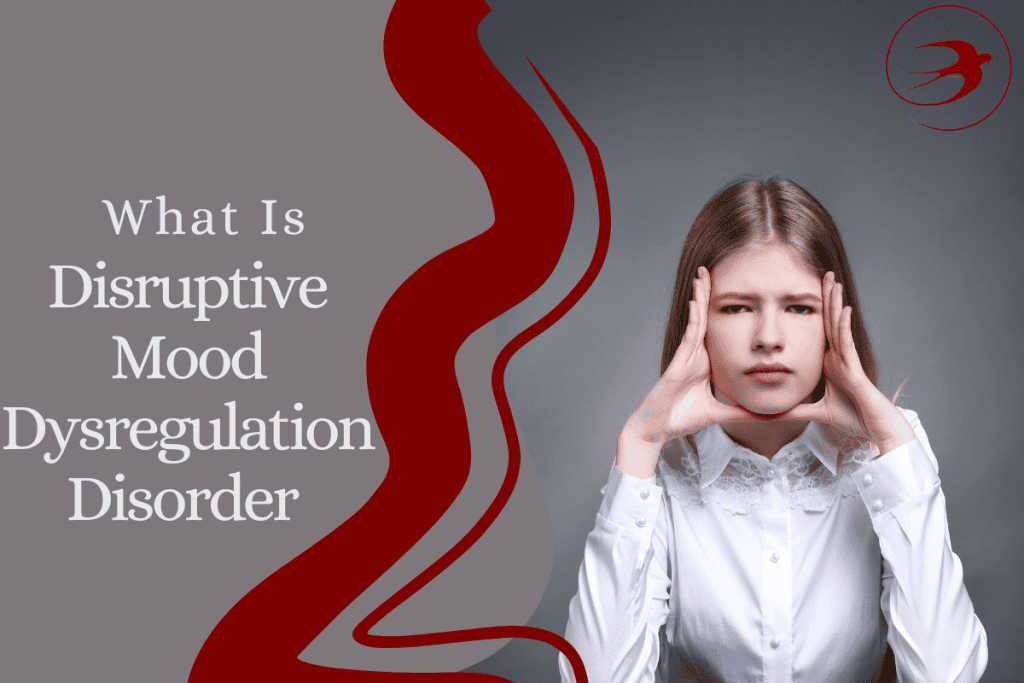
Disruptive Mood Dysregulation Disorder (DMDD) is a mental health condition that affects children and is marked by ongoing irritability and frequent, intense temper outbursts. It goes beyond typical childhood behavior and can impact a child’s daily life at home, in school, and in relationships. Understanding what DMDD is can help you take the next step toward supporting your child in a meaningful and effective way.
At Greater Love Counseling, we walk alongside families navigating challenges like this with compassion, clarity, and hope. Healing is possible, and you don’t have to figure it out on your own.
What Is Disruptive Mood Dysregulation Disorder?
Disruptive Mood Dysregulation Disorder (DMDD) is a mental health disorder that primarily affects children and adolescents. It is considered a type of mood disorder and is characterized by:
- Frequent, severe temper outbursts (verbal or behavioral) that are often out of proportion to the situation
- An ongoing irritable or angry mood present most of the day
- Difficulty managing emotions in a way that matches their age
These outbursts often happen multiple times per week and can feel intense or unpredictable. Between outbursts, a child may continue to experience an angry mood or seem persistently irritable and easily frustrated.

This condition goes beyond typical childhood behavior and is different from other concerns like oppositional defiant disorder or even bipolar disorder, though they may sometimes be confused with one another. Children who are diagnosed with DMDD are not simply being “difficult” or “disobedient.”
Instead, DMDD reflects deeper challenges with emotional regulation, the ability to manage and respond to feelings in a balanced and age-appropriate way. Understanding this can help shift the focus from behavior to support, opening the door to effective treatment options and long-term emotional growth.
What Does DMDD Feel Like for Families?
Living with DMDD can feel exhausting for both the child and the family.
You might notice:
- Walking on eggshells to avoid triggering an outburst
- Feeling unsure how to respond when emotions escalate
- Struggles at school, with friendships, or within the family
- Guilt, frustration, or even helplessness as a parent
Children with DMDD are not trying to make life harder. Often, they feel overwhelmed internally and don’t yet have the tools to express or manage those feelings safely.
Understanding this shift, from “behavior problem” to “emotional struggle,” can change how you respond and how your child begins to heal.
What Are the Symptoms of DMDD?
While every child is different, common symptoms include:
- Frequent temper outbursts that seem out of proportion
- Irritable or angry most of the day, nearly every day
- Low tolerance for frustration
- Difficulty calming down after becoming upset
- Ongoing conflict with parents, teachers, or peers
These symptoms usually appear before age 10 and continue over time.
If you want a deeper breakdown of these patterns, you can explore our guide on understanding the symptoms of disruptive mood dysregulation disorder, where we walk through what these behaviors look like in real life.
What Causes Disruptive Mood Dysregulation Disorder?
There is no single cause of DMDD. Instead, it often develops from a combination of factors, such as:
- Difficulty regulating emotions
- High sensitivity to stress or frustration
- Environmental stressors (home, school, or social challenges)
- Possible history of trauma or overwhelming experiences
- Differences in how the brain processes emotions
For many children, their reactions are not intentional—they are responses to feeling overwhelmed internally.
To better understand this, we break it down further in our article on what causes disruptive mood dysregulation disorder, including how emotional and environmental factors play a role.
How Is DMDD Diagnosed?
DMDD is diagnosed by a licensed mental health professional through a careful evaluation process. This may include:
- Conversations with parents and caregivers
- Observations of behavior over time
- Input from teachers or school staff
- Reviewing emotional and behavioral patterns
Diagnosis is important, not to label a child but to better understand what they need.
Many parents feel relieved when they finally have an explanation for what their child is experiencing. It opens the door to the right kind of support.
If you’re wondering what this process looks like, you can read more in our guide on how disruptive mood dysregulation disorder is diagnosed.
How Is DMDD Treated?
The good news is that DMDD is treatable, and children can learn to better manage their emotions with the right support.
Treatment often includes:
- Therapy focused on emotional regulation
- Parent support and coaching
- Building consistent routines and structure
- Helping children identify and express their emotions safely
At Greater Love Counseling, we often integrate evidence-based approaches such as EMDR and other trauma-informed therapies to support emotional healing at a deeper level.
Treatment is not about “fixing” your child, it’s about helping them feel safe, understood, and equipped with the tools they need to thrive.
You can learn more in our full guide on treatment for disruptive mood dysregulation disorder.
Supporting Your Child Emotionally and Spiritually
When a child is struggling, it affects the whole family. Support goes beyond strategies, it includes connection, patience, and understanding.
Simple ways to support your child include:
- Staying calm during outbursts (even when it’s hard)
- Validating their feelings without reinforcing harmful behavior
- Creating predictable routines
- Helping them name and understand their emotions
For families who value faith, spiritual support can also be a meaningful part of the healing process.
Faith can provide:
- A sense of stability during uncertain moments
- Hope when progress feels slow
- A reminder that your child is not defined by their struggles
This doesn’t replace therapy, but it can work alongside it, offering strength and encouragement along the way.
When Should You Seek Help?
It may be time to seek professional support if:
- Outbursts happen frequently and feel intense
- Your child’s behavior is affecting school, relationships, or home life
- You feel unsure how to help or respond
- Things don’t seem to be improving over time
Reaching out is not a sign of failure; it’s a step toward understanding and support.
Early help can make a meaningful difference in your child’s emotional development and overall well-being.
Final Thoughts
If you’re reading this, chances are you care deeply about your child and want to help them feel better. That matters more than you may realize. Even when things feel overwhelming, your willingness to learn and support your child is already a powerful step toward healing.
You don’t have to carry this on your own. Healing often begins with one small, intentional step, and we’re here to help you take it.
Blessings,