If your child seems constantly irritable or has frequent emotional outbursts, you might be wondering what’s really going on. It can feel confusing when their reactions seem intense, unpredictable, or different from other children and adolescents. You may even question whether this is just a phase or something more connected to their mental health.
Disruptive Mood Dysregulation Disorder (DMDD) is a relatively new mood disorder that affects how children manage emotions. DMDD symptoms go beyond occasional tantrums or a child losing their temper. Instead, children with DMDD experience an ongoing irritable or angry mood along with repeated outbursts that can impact home, school, and relationships. These patterns are often associated with irritability that doesn’t go away easily.
Disruptive Mood Dysregulation Disorder (DMDD) may look similar to other conditions like oppositional defiant disorder, ADHD, or even bipolar disorder, it’s important to understand what makes it different. A clear understanding can help you know when to reach out to a mental health professional, explore treatment options, and support your child if they are diagnosed with DMDD.
Core Symptoms of Disruptive Mood Dysregulation Disorder

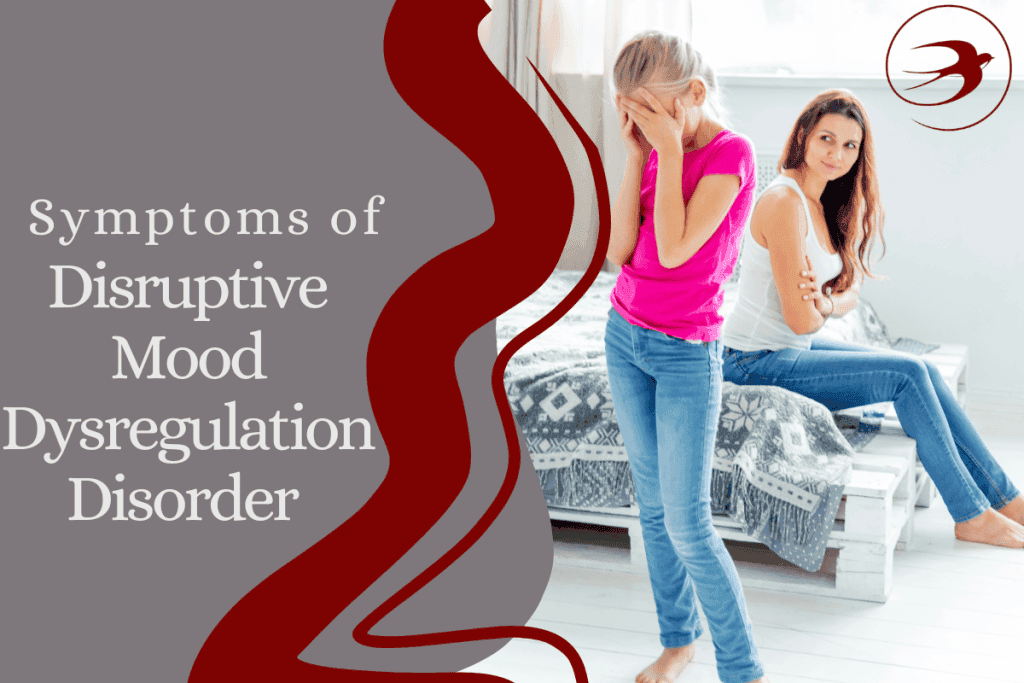
Children with DMDD may experience the following signs and symptoms of DMDD:
- Severe temper outbursts several times a week
- Verbal or physical reactions that feel extreme or out of proportion
- Ongoing irritable or angry mood most of the day
- Difficulty calming down once upset
- Low tolerance for frustration
These severe symptoms are consistent and long-lasting, not just occasional, and go beyond a “bad mood.” They reflect a mental health condition in children that affects how a child or adolescent manages emotions.
What Do These Outbursts Look Like?
Outbursts are one of the most visible signs of disruptive mood dysregulation, and children with DMDD may experience severe reactions such as:
- Yelling or screaming
- Crying intensely
- Physical aggression (throwing objects, hitting, kicking)
- Shutting down or becoming overwhelmed
These reactions often happen quickly and may seem out of proportion to what triggered them. This type of disruptive behavior can be confusing and stressful for both the child and family.
Irritability Between Outbursts
One of the key child’s DMDD symptoms is that irritability doesn’t go away after the outburst.
Your child may:
- Seem easily annoyed most of the day
- React strongly to small frustrations
- Struggle to enjoy activities
- Have ongoing tension with others
This ongoing pattern reflects irritability in youth with DMDD and goes beyond a “bad mood.” Over time, this constant emotional strain can affect a child and family, making it important to recognize early signs and help manage DMDD symptoms.
Why This Is Not Just “Bad Behavior”
It’s easy to assume these behaviors are intentional. But this mental health disorder goes beyond defiance, it’s about emotional regulation, not choice.
Your child may:
- Feel overwhelmed internally
- Struggle to process emotions quickly
- Lack the tools to calm down
These patterns go beyond a “bad mood” and reflect deeper challenges associated with irritability. When we shift from “What’s wrong with them? ” to “What are they struggling with? ” it opens the door to real support and helps you help your child in a more effective way.
When Do Symptoms of DMDD Start?
The onset of DMDD usually begins before age 10 and continues over time. Parents may start showing signs of DMDD early on, especially as patterns become more consistent.
These symptoms are typically seen in children and teens across multiple settings, such as:
- Home
- School
- Social environments
Consistency across settings is an important part of the diagnosis of DMDD, as it helps professionals better understand how this disorder affects a child’s daily life.
When Should You Be Concerned?
You may want to seek support if:
- Outbursts happen frequently (3+ times per week)
- Irritability is present most days
- Behavior is affecting school or relationships
- You feel unsure how to help
If you’re unsure whether this fits your child’s experience, it may help to start with a broader understanding of what disruptive mood dysregulation disorder is and how it shows up.
Final Thoughts
You’re not alone in this. If your child is struggling, it doesn’t mean you’ve done something wrong. It may simply mean they need extra support learning how to handle big emotions safely and healthily.
Healing starts with one small step. With the right support, understanding, and patience, both you and your child can move toward calmer, more connected days ahead.
Blessings,