Gambling problems can be hard to recognize at first. A person may tell themselves they are just having fun, taking a risk, or trying to win back what they lost. They may believe they can stop whenever they decide to.
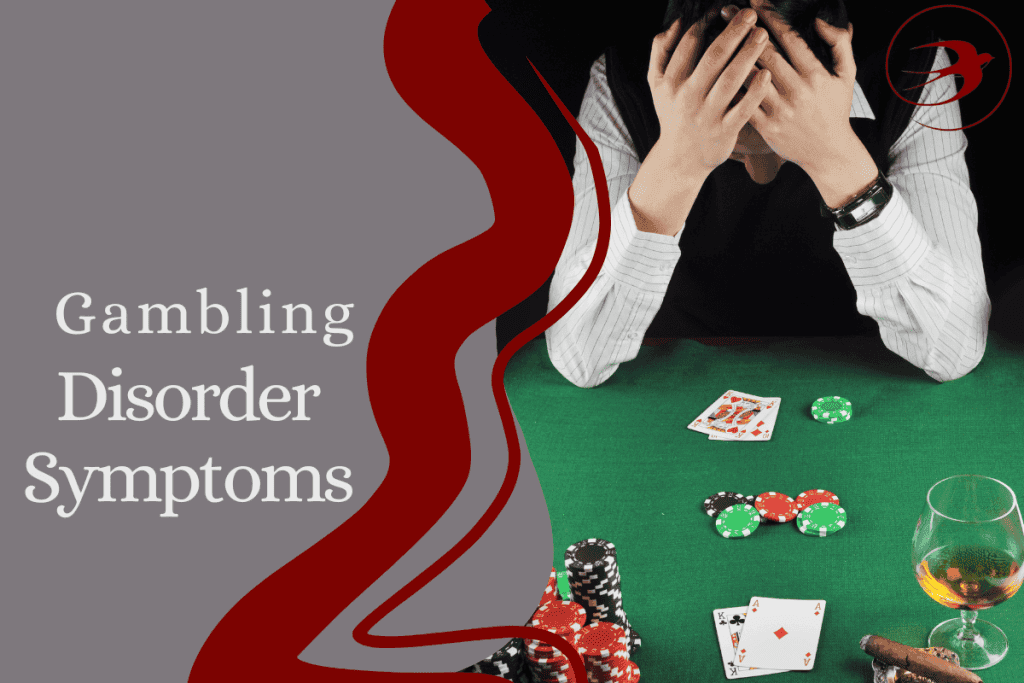
Gambling Disorder symptoms are signs that gambling has become hard to control and is causing harm. These symptoms may include feeling unable to stop, chasing losses, hiding gambling, borrowing money, feeling restless when trying to quit, or gambling to escape stress, guilt, anxiety, or sadness.
Recognizing these signs can feel painful, but it can also be a turning point. Seeing the truth clearly is not the end of hope. It can be the beginning of healing.
Common Gambling Disorder Symptoms

Feeling Unable to Stop Gambling
One of the clearest signs of a gambling addiction is feeling unable to stop, even after promising yourself or others that you will.
A person may say:
- “This is the last time.”
- “I’ll only spend a little.”
- “I can stop after one more bet.”
- “I just need to win back what I lost.”
But once they start, stopping may feel difficult. They may set limits and break them. They may feel frustrated, ashamed, or confused by their own gambling behavior.
This does not mean change is impossible. It means the pattern may need support, structure, and care. A therapist, treatment program, helpline, or support group like Gamblers Anonymous can help a person begin taking safer steps forward.
Chasing Losses
Chasing losses means gambling more to try to win back money that was already lost. This is one of the most common signs of compulsive gambling.
After losing, a person may feel desperate to fix the damage. They may believe one more bet could make things right. But chasing losses often leads to more losses, more panic, more shame, and deeper financial problems.
This cycle can become very intense. The person may feel like they are trying to solve the problem, but gambling usually makes the problem deeper. Over time, the need to gamble may feel stronger, and the person may continue to gamble even when they know it is hurting them.
Hiding or Lying About Gambling
Gambling Disorder symptoms often include secrecy. A person may hide their gambling habits, how much they spend, or how much they have lost.
This may look like:
- Deleting betting apps or browser history
- Hiding bank statements
- Lying about where money went
- Keeping gambling accounts secret
- Avoiding conversations about finances
- Saying they were somewhere else
Most people do not hide because they want to hurt others. They often hide because they feel ashamed, afraid, or trapped. Still, secrecy damages trust and keeps the problem in the dark.
Gambling With Money Needed for Important Things
Another warning sign is gambling with money needed for bills, groceries, rent, savings, family needs, or debt payments.
A person may also borrow money, use credit cards, take out loans, or ask others for financial help without explaining the full reason. This can become more serious when easy access to gambling opportunities makes it harder to pause, think, and step away.
Money problems can create fear and urgency. That urgency may lead to more gambling in an attempt to fix the situation. Sadly, this often makes the financial stress worse.
According to the Diagnostic and Statistical Manual of Mental Disorders, gambling disorder can involve repeated patterns that continue even when gambling causes serious problems in a person’s life. Getting support early can help bring the problem out of secrecy and into care.
Feeling Restless, Irritable, or Anxious When Trying to Stop
When someone tries to cut back or stop gambling, they may feel restless, tense, irritable, anxious, or unsettled.
These feelings can become triggers. The person may think gambling will calm them down or make the discomfort go away. For a short time, it may seem to help. But afterward, the same guilt and stress often return.
Learning how to sit with uncomfortable emotions is an important part of recovery. Therapy can help a person build healthier ways to manage urges and emotional distress.
Gambling to Escape Stress or Emotional Pain
Some people gamble because they are trying to escape. Gambling may become a way to avoid sadness, anxiety, guilt, loneliness, anger, boredom, or shame.
This does not mean the person is making excuses. It means gambling may have become a coping tool, even if it is a harmful one.
The goal of healing is not only to stop gambling. It is also to understand what the gambling has been trying to soothe. When the deeper pain is cared for, the cycle can begin to lose its power.
Relationship Problems and Broken Trust
Gambling addiction can deeply affect relationships. Loved ones may feel hurt, confused, betrayed, or afraid. They may wonder what is true, how much money has been lost, or whether promises will be kept this time.
Relationship strain may include:
- Arguments about money
- Emotional distance
- Broken trust
- Fear of honesty
- Secret debt
- Feeling alone with the problem
- Repeated apologies without lasting change
Rebuilding trust takes time. It usually requires honesty, consistency, accountability, and support.
Work, School, or Daily Life Problems
Gambling Disorder symptoms may also show up in daily responsibilities. A person may become distracted by gambling thoughts, miss work, lose focus, or struggle to keep up with responsibilities.
They may spend time planning the next bet, thinking about past losses, or looking for money to gamble. Over time, gambling can take up more space in a person’s mind and life.
When gambling starts to affect work, school, parenting, faith, or daily responsibilities, it is a clear sign that support may be needed.
Spiritual and Emotional Warning Signs
For people of faith, gambling addiction may also create spiritual pain. A person may feel distant from God, ashamed to pray, or afraid to be honest with others.
They may think, “God must be disappointed in me,” or “I should be stronger than this.”
But shame often pushes people deeper into hiding. Healing begins when the struggle is brought into safe, compassionate support. God’s grace does not deny the need for change. It gives courage to face the truth and take the next step.
When Should You Get Help for Gambling Disorder Symptoms?
It may be time to seek help if gambling feels hard to control or is creating harm in your life.
Consider reaching out if:
- You have tried to stop but keep going back
- You hide gambling from loved ones
- You chase losses
- You borrow money to gamble or cover losses
- Gambling affects your relationships
- Gambling creates anxiety, shame, or hopelessness
- You gamble to escape emotional pain
- Loved ones have expressed concern
You do not have to wait until everything falls apart. Support can help you understand the pattern, reduce harm, and begin rebuilding trust.
Final Thoughts
Recognizing gambling disorder symptoms can be painful, but it can also be the first step toward healing. Naming the problem does not mean there is no hope. It means you can begin to face it with honesty and support.
You do not have to carry this alone. Support can help you understand the pattern, rebuild trust, and move toward freedom one step at a time.
Blessings,