Many people who struggle with gambling addiction ask, “Why can’t I just stop?” That question can carry a lot of shame. A person may know gambling is hurting them, but still feel pulled back into the same cycle.
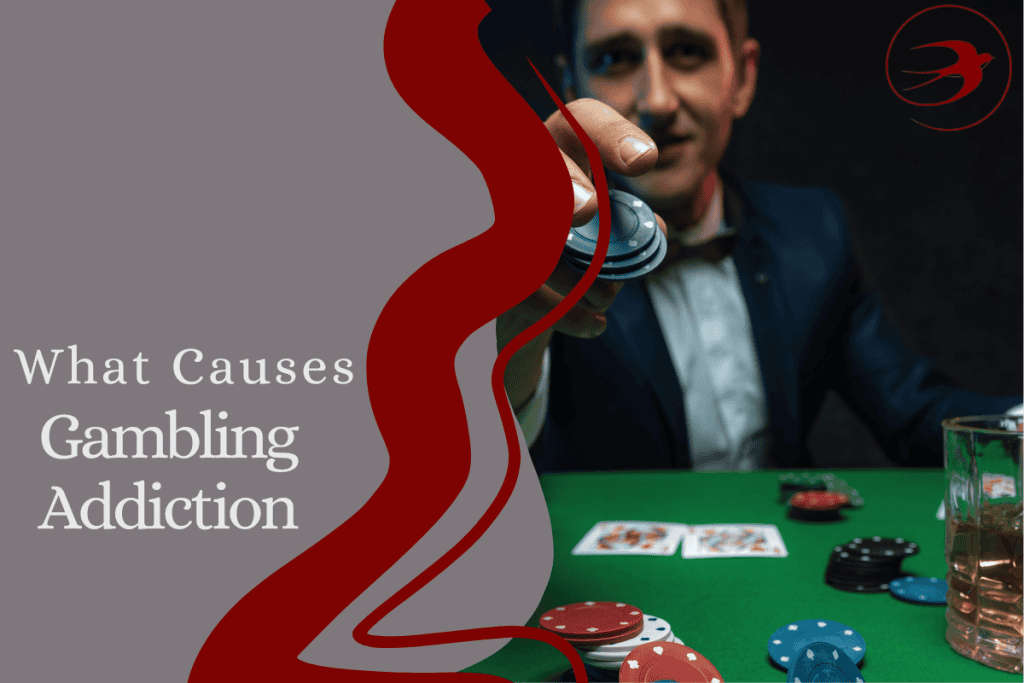
The causes of gambling addiction can include stress, trauma, anxiety, depression, financial pressure, easy access to gambling, family history, and the brain’s reward system. For many people, gambling becomes a way to escape pain, chase hope, or feel relief for a short time. Over time, that pattern can become harder to control.
Gambling addiction is not usually caused by one thing. It often grows from several factors working together. Understanding these causes can help reduce shame and make room for healing.
Causes of Gambling Addiction

Stress and Emotional Overwhelm
Stress is one common factor that can contribute to problem gambling. When life feels overwhelming, gambling may seem like a temporary escape. For a short time, the person may feel distracted, excited, hopeful, or in control.
But after gambling, the stress often comes back stronger. If money is lost, guilt, fear, and pressure may increase. This can lead to more gambling behavior as the person tries to escape the very stress gambling created.
This cycle can feel exhausting. The person may not be gambling because they are having fun anymore. They may be gambling because they do not know how else to deal with what they feel. Over time, this pattern can become addictive, making it harder to slow down or stop gambling without support.
Anxiety, Depression, and Other Mental Health Struggles
Gambling disorder can be connected to mental health struggles like anxiety, depression, loneliness, or emotional pain. Some people start gambling to numb difficult feelings. Others gamble because the excitement briefly lifts their mood.
The relief may feel real in the moment, but it does not last. Afterward, the person may feel worse. They may feel ashamed, panicked, empty, or discouraged. For some people with gambling struggles, this emotional crash can lead them back into the same cycle again.
Therapy can help address the deeper pain underneath the gambling problem. When a person learns healthier ways to cope with anxiety, sadness, or stress, the urge to gamble may become easier to understand and manage. If the pattern feels hard to break, reaching out to a trusted therapist or a gambling helpline can be an important first step.
Trauma and Painful Life Experiences
Trauma and painful life experiences can also play a role in gambling addiction. Trauma can affect how a person handles stress, safety, emotions, and control.
For some people, gambling becomes a way to feel something different. It may create excitement when they feel numb. It may create escape when they feel overwhelmed. It may create a false sense of control when life feels uncertain.
Over time, this pattern can become one of the behavioral addictions a person struggles with. A gambler may not always be chasing money alone. They may also be chasing relief, distraction, control, or a break from emotional pain.
Trauma-informed therapy can help people understand the deeper roots of the pattern. Healing is not only about stopping the behavior. It is also about caring for the pain that may be driving it.
The Brain’s Reward System
Gambling can strongly affect the brain’s reward system. The hope of winning can create excitement before the outcome is even known. A near-win can also keep someone engaged because it feels like they were “almost there.”
This can make gambling hard to stop. The person may begin chasing not only money, but the feeling of possibility. Over time, some people may become addicted to the cycle of risk, hope, and reward.
The Diagnostic and Statistical Manual of Mental Disorders recognizes gambling disorder as a serious mental health condition. Understanding the brain’s role does not remove responsibility. Instead, it helps explain why support and structure matter.
A person may need more than willpower. They may need new tools, accountability, and a plan that helps reduce access and manage urges.
Financial Pressure and the Hope of a Quick Fix
Money stress can be both a cause and a consequence of gambling addiction. Some people gamble because they are trying to fix financial problems quickly. They may believe one win could help them catch up, pay off debt, or undo past losses.
But this often leads to chasing losses. Chasing losses means gambling more to try to win back money that was lost. Instead of solving the problem, it usually creates deeper financial strain.
This can become a frightening cycle. The more someone loses, the more desperate they may feel. The more desperate they feel, the stronger the urge to gamble may become.
Easy Access to Gambling
Gambling is easier to access than ever. Online betting, sports gambling, and gambling apps can make it possible to gamble privately, quickly, and often.
This easy access can make urges harder to resist. A person may not have to drive anywhere, talk to anyone, or wait very long. Gambling can happen in a few taps.
For many people, recovery may require practical safeguards. This might include blocking gambling apps, limiting access to money, asking for accountability, or creating stronger boundaries around technology and finances.
Family History and Learned Patterns
Family history can also affect gambling addiction. Some people grow up around gambling or risky money patterns. Others may have a family history of addiction, impulsive behavior, or emotional avoidance.
This does not mean a person is destined to struggle. It simply means certain patterns may feel familiar or normal. Healing may include learning new ways to handle stress, money, disappointment, and emotional pain.
New patterns can be learned. A person can begin to build a healthier relationship with money, risk, honesty, and support.
Shame, Secrecy, and Avoidance
Shame can keep gambling addiction going. When a person feels ashamed, they may hide. When they hide, the problem often grows in secret.
A person may avoid looking at bank accounts, telling the truth, answering questions, or asking for help. This avoidance may bring short-term relief, but it keeps the cycle alive.
Faith-based counseling can be especially meaningful here. Shame says, “You are too far gone.” Grace says, “Come into the light and begin again.” Healing does not mean ignoring consequences. It means facing them with support instead of hiding from them alone.
Can Faith Help With the Causes of Gambling Addiction?
Faith can be a powerful support in healing, especially when it is paired with practical, evidence-based care. Prayer, Scripture, spiritual community, and pastoral support may help a person find courage, hope, and honesty.
At the same time, faith should not be used to create more shame. Struggling with gambling addiction does not mean a person is beyond God’s love or care. Healing often includes both spiritual support and practical tools.
Faith-based counseling can help someone explore emotional pain, rebuild trust, take responsibility, and reconnect with hope.
Final Thoughts
Gambling addiction usually does not come from one simple cause. It often grows from pain, pressure, stress, and patterns that have become hard to break alone.
Healing begins by understanding what is underneath the behavior. With support, honesty, and compassion, change is possible.
Blessings,