When life changes suddenly, it can take time to feel steady again. A stressful event may affect your thoughts, emotions, body, relationships, and even your spiritual life.
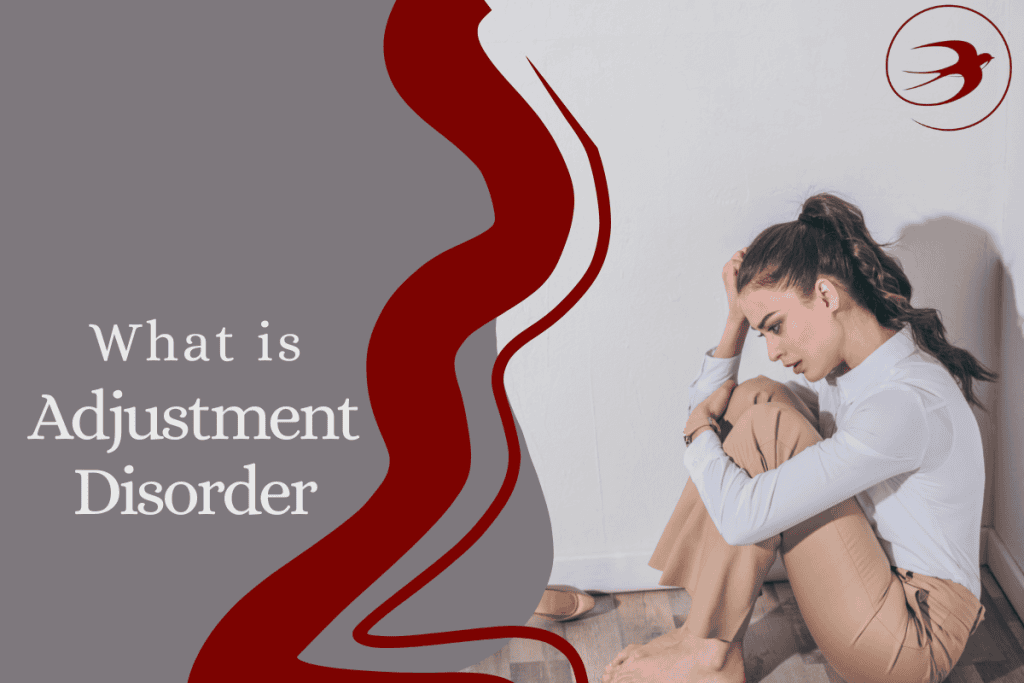
Adjustment disorder happens when a stressful event or major life change causes emotional or behavioral symptoms that feel hard to manage. You may feel anxious, sad, irritable, overwhelmed, or unable to cope the way you normally would.
This does not mean your faith is weak. It means you are human. Faith-based therapy can help you understand your stress response while also honoring your relationship with God.
What Does Adjustment Disorder Mean?
Adjustment disorder is a mental health condition connected to stress. It can happen when a person has trouble adjusting after a painful, difficult, or stressful life event.
The stressor may be obvious, such as a divorce, job loss, illness, death in the family, or a move. It may also be something that feels smaller to other people but still deeply affects you. For many people, the symptoms of adjustment disorder begin within three months of the stressful event.
A person with adjustment disorder may feel sad, anxious, angry, hopeless, numb, or overwhelmed. They may also struggle with sleep, focus, motivation, physical symptoms, or behavior changes. These common symptoms can vary from person to person.
Adjustment disorder is sometimes called stress response syndrome. This term can help explain what is happening. Your mind and body are having a reaction to stress, but the reaction has become intense enough to affect your life.
Why Adjustment Disorder Happens
Adjustment disorder usually starts after a stressful event. The event creates pressure that feels hard to process or manage. Certain risk factors, such as past loss, ongoing stress, limited support, or major life changes, may increase the chance of developing adjustment disorder.

Common examples include:
- Losing a job
- Ending a relationship
- Moving to a new place
- Starting a new school
- Experiencing family conflict
- Going through grief
- Facing financial stress
- Receiving a medical diagnosis
- Becoming a caregiver
- Dealing with work pressure
The stressful event does not have to be “big enough” in someone else’s eyes. What matters is how it affects you. Adjustment disorders affect people differently, and symptoms may show up as anxiety, depressed mood, irritability, withdrawal, or loss of interest in normal activities.
Sometimes Christians feel pressure to respond to hardship with immediate peace. But emotional pain does not mean you are failing God. Scripture is full of people who cried out, grieved, questioned, and needed help.
Is Adjustment Disorder the Same as Normal Stress?
Adjustment disorder is related to stress, but it is not the same as everyday stress.
Normal stress may feel uncomfortable, but you can usually keep functioning. You may feel worried or tired, but the stress starts to settle as you adjust.
With adjustment disorder, the emotional reaction is stronger and more disruptive. It may interfere with your relationships, work, school, sleep, or ability to handle daily tasks. Depending on the main symptoms, the types of adjustment disorders may include adjustment disorder with anxiety, adjustment disorder with depressed mood, or adjustment disorder with mixed disturbance.
For example, after a breakup, it is normal to feel sad. But if you cannot sleep, cannot focus, miss work, isolate from everyone, and feel unable to cope weeks later, it may be a sign that more support is needed. A healthcare provider can help you understand whether the symptoms of an adjustment disorder fit the criteria for adjustment disorder.
Adjustment disorder does not mean something is wrong with you. It means your stress response deserves care.
How Adjustment Disorder Can Affect Faith
Stress can affect your spiritual life, too. You may find it harder to pray, read Scripture, attend church, or feel close to God. For some people, symptoms include feeling spiritually numb, ashamed, distant, or too overwhelmed to practice the rhythms that usually bring comfort.
Some people feel guilty about this. They may think, “I should be stronger than this.” Others may wonder if God is disappointed in them.
But emotional overwhelm can make spiritual rhythms harder. When your nervous system is flooded, even comforting practices may feel difficult. If symptoms last or begin affecting daily life, relationships, or faith, it may be wise to seek professional support.
Faith-based therapy can help you gently explore these struggles. It can help you recognize the difference between guilt and conviction, shame and truth, and pressure and grace. Cognitive behavioral therapy may also help you notice painful thought patterns while making room for both emotional healing and faith.
How Adjustment Disorder Can Affect Daily Life
Adjustment disorder can affect many parts of life. When symptoms continue or become harder to manage, some people may experience chronic adjustment disorder.
Emotionally, you may feel sad, anxious, numb, irritable, or easily overwhelmed. You may cry more than usual or feel like small problems are suddenly too much. This may involve mixed disturbance of emotions, especially when several painful feelings happen at the same time.
Physically, stress may show up as headaches, stomach issues, muscle tension, fatigue, appetite changes, or sleep problems.
Behaviorally, you may withdraw from others, avoid responsibilities, miss deadlines, argue more often, or stop doing things that usually help you feel grounded. When emotional distress also affects behavior, it may involve both emotions and conduct or a disturbance of emotions and conduct.
These changes can create a painful cycle. The more overwhelmed you feel, the harder it becomes to keep up with life. The more life piles up, the more overwhelmed you feel.
Therapy, family therapy, or support groups can help interrupt that cycle.
Is Adjustment Disorder a Diagnosis?
Yes. Adjustment disorder can be diagnosed by a mental health professional.
A therapist or other mental health provider may ask about your symptoms, stressors, history, daily functioning, and support system. They may also ask when the symptoms started and how long they have been happening.
The goal is not to label you. The goal is to understand what kind of help would be most useful. A diagnosis can also support diagnosis and treatment planning, especially when symptoms are affecting daily life.
A diagnosis can help clarify what is happening. It may also guide treatment and give language to an experience that has felt confusing. In some cases, a provider may use terms such as adjustment disorder unspecified when symptoms cause distress but do not clearly fit one specific subtype.
When Should Someone Ask for Help?
You may want to ask for help if the stress is affecting your daily life. This includes your sleep, work, school, relationships, parenting, health, or ability to care for yourself.
You do not have to wait until things are falling apart. Therapy can be helpful even if you are still functioning on the outside.
It may be time to reach out if you notice:
- You feel overwhelmed most days
- You are crying often
- You feel anxious or on edge
- You are avoiding people or responsibilities
- You cannot sleep well
- You feel hopeless
- You feel spiritually numb
- You feel stuck after a stressful event
Getting support early can help you recover more fully and prevent symptoms from getting worse.
How Faith-Based Therapy Can Help
Faith-based therapy gives you space to talk about what happened and how it has affected your mind, body, emotions, and faith.
A therapist can help you name your emotions, understand your stress response, and build coping skills that fit your life. If faith is important to you, therapy can also include prayer, Scripture, spiritual reflection, and honest questions about where God feels present or distant.
You do not have to have everything figured out before starting therapy. You only need to be honest about what feels hard.
Final Thoughts
Adjustment disorder is not a character flaw. It is a painful response to stress, change, or loss. When life shifts too quickly, your heart may need time and support to catch up.
If you have been wondering, “What is adjustment disorder, and why do I feel this way?” You are not alone. Faith-based therapy can help you find support, clarity, and hope as you take the next step forward.
Blessings,