Being close to someone you love can bring comfort, safety, and connection. It is normal to miss your partner when you are apart. But for some people, even a short separation can bring intense worry, fear, or a strong need for reassurance.
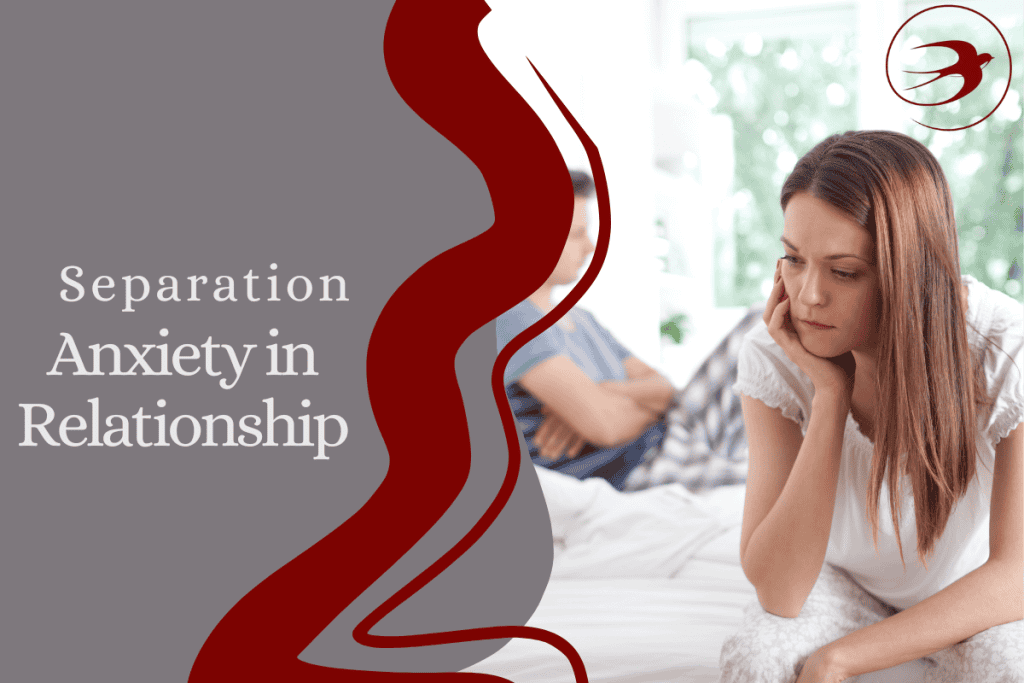
Separation Anxiety in Relationships can look like worrying that something bad will happen to your partner, feeling unable to relax when they are away, or becoming afraid that time apart means the relationship is in danger. The anxiety may become strong enough to affect your mood, daily routine, or the way you interact with your partner.
These feelings do not mean you are too needy or that something is wrong with you. Anxiety often develops for a reason. Understanding what is underneath the fear can help you build a relationship that feels both close and secure.
What Is Separation Anxiety in Relationships?
Separation anxiety in romantic relationships happens when being apart from someone important creates excessive fear or emotional distress. In adults with separation anxiety disorder, that important person may be a romantic partner, spouse, child, or another close attachment figure.
Missing your partner is different from experiencing adult separation anxiety. You can miss someone deeply while still being able to work, sleep, spend time with friends, and continue your normal routine.
The concern is when the fear of being apart begins controlling your thoughts or choices. You might constantly check your phone, avoid going places without your partner, struggle to sleep alone, or imagine something terrible happening whenever you are separated.
These patterns may also place pressure on the relationship. Repeated reassurance seeking, checking, or avoiding time apart can gradually affect trust, independence, and other relationship dynamics.
It is also important to remember that separation anxiety in relationships is not a separate diagnosis. Some people with these experiences may have separation anxiety disorder, while others may be dealing with anxious attachment, relationship insecurity, previous loss, another anxiety disorder, or difficult past experiences.
Signs of Separation Anxiety in Relationships

Separation anxiety can look different from one relationship to another. Some common signs include:
Constant Worry About Your Partner
You may spend a lot of time worrying that something bad will happen when your partner is away.
Perhaps they are late coming home and your mind immediately imagines an accident. Or they do not answer a message and you begin worrying that something is wrong.
For someone with significant separation anxiety, these fears can be difficult to turn off even when there is little reason to believe the partner is in danger.
Needing Frequent Reassurance
You may repeatedly ask questions such as:
- “Are we okay?”
- “Do you still love me?”
- “When will you be home?”
- “Why didn’t you answer?”
- “You’re not going to leave me, right?”
Reassurance may calm the anxiety temporarily. But when the underlying fear remains, you may soon need reassurance again.
Difficulty Being Alone
Time alone may feel uncomfortable, lonely, or even frightening.
You may avoid staying home by yourself, struggle to sleep without your partner, or feel unable to enjoy activities when they are not there.
You might also begin giving up hobbies, friendships, travel, or other activities because staying close to your partner feels safer.
Fear of Losing the Relationship
Normal independence can sometimes feel like rejection when separation anxiety is present.
A partner spending time with friends, traveling for work, or simply wanting some personal time may trigger thoughts like:
“They’re pulling away from me.”
“They don’t need me anymore.”
“They’re going to leave.”
Fear of abandonment can have many causes and does not automatically mean someone has separation anxiety disorder. But it can be one part of the anxiety a person experiences in close relationships.
Physical Anxiety When Apart
Separation anxiety can also affect your body.
You may experience a racing heart, stomach discomfort, headaches, dizziness, restlessness, trouble sleeping, or other physical signs of anxiety when separation occurs or is expected. These kinds of physical symptoms can occur with separation anxiety disorder.
What Causes Separation Anxiety in Relationships?
There is not one single cause of separation anxiety.
Sometimes the fear is connected to previous experiences that taught you that relationships can suddenly disappear or that separation is unsafe. Other times, anxiety becomes stronger during stressful periods of life.
Possible contributing factors may include:
- Losing someone important
- A painful breakup or divorce
- Family instability
- Difficult childhood experiences
- Previous anxiety
- Illness involving someone you love
- Moving somewhere new
- Starting a serious relationship
- Becoming a parent
- Other major life changes
Loss, illness involving a loved one, major changes, and a history of anxiety are among the factors associated with separation anxiety in adults.
Your past does not automatically determine your future. But understanding where certain fears come from can make it easier to respond to them with compassion instead of shame.
How Separation Anxiety Can Affect a Relationship
When anxiety becomes strong, it can begin changing the way both partners behave.
One person may repeatedly seek reassurance, call or text throughout the day, or become upset when plans involve time apart. The other person may start feeling responsible for keeping their partner calm.
Over time, this can create misunderstandings, arguments, resentment, or guilt. It may also become harder for both people to maintain friendships, hobbies, work responsibilities, and healthy independence.
Healthy relationships do not require two people to be together all the time. A strong relationship can include both deep connection and individual space.
How to Cope With Separation Anxiety in a Relationship
Learning to cope with separation anxiety does not mean becoming less loving or emotionally distant.
The goal is to learn that your relationship can remain secure even when you and your partner are not physically together.
Notice What Triggers the Fear
When you feel anxious, pause and ask yourself:
- What happened right before I became anxious?
- What am I afraid will happen?
- What am I assuming about my partner?
- Do I have evidence that my fear is happening?
Sometimes naming the fear can help create space between what you are feeling and what is actually happening.
Practice Small Periods of Independence
You do not need to suddenly force yourself to spend long periods away from your partner.
Start small.
Spend time on a hobby. Meet a friend. Take a walk. Finish an activity without repeatedly checking your phone.
These experiences can slowly teach your mind that separation may feel uncomfortable without actually being dangerous.
Find Other Ways to Calm Yourself
Your partner can support you, but they should not have to become your only way of feeling safe.
Try building several ways to cope with anxiety, such as:
- Slow breathing
- Grounding exercises
- Journaling
- Prayer
- Exercise
- Talking with supportive friends
- Spending time on meaningful activities
The goal is not to eliminate every anxious feeling. It is to become more confident that you can handle the feeling when it comes.
Communicate Honestly With Your Partner
Talk about your anxiety without making your partner responsible for fixing it.
Instead of saying:
“You need to keep texting me or I can’t handle it.”
You might say:
“I’ve noticed that being apart sometimes brings up anxiety for me. I’m working on it, but knowing when we’ll reconnect helps me feel more grounded.”
Healthy communication allows you to express your needs while still respecting each person’s independence.
How Faith Can Help With Separation Anxiety
Having anxiety does not mean you lack faith or are failing to trust God.
Prayer can provide a place to bring your fears honestly rather than hiding them. You can ask God for peace while also learning practical ways to manage anxiety, develop healthy relationships, and care for your emotional well-being.
Faith can also remind you that your entire sense of security does not have to depend on another person’s physical presence. You can deeply love your partner while also growing in confidence, developing supportive relationships with others, and strengthening your relationship with God.
Faith and professional mental health care can work together. Seeking help does not mean you have failed spiritually.
When to Seek Professional Support
Consider talking with a mental health professional if your fear of separation begins interfering with your relationship or everyday life.
This may include avoiding work or travel, experiencing intense distress when your partner leaves, constantly checking on them, needing repeated reassurance, or having frequent relationship conflict because of the anxiety.
Separation anxiety disorder can affect adults, and psychotherapy is commonly used to treat it. Cognitive behavioral therapy, or CBT, can help people recognize anxiety patterns and develop healthier ways of responding to them.
A faith-based therapist can also help you explore how fear, attachment, loss, trust, and faith may be connected while giving you practical tools to feel more secure.
Final Thoughts on Separation Anxiety in Relationships
Separation Anxiety in Relationships can make ordinary time apart feel much more frightening than it needs to be. Wanting closeness is normal, but when fear begins controlling your choices, limiting your independence, or creating problems in your relationship, it may be time to look more closely at what is underneath the anxiety.
You do not have to choose between loving someone deeply and feeling secure when you are apart. With healthy communication, coping skills, faith, and professional support when needed, you can build a relationship that is guided more by trust and connection than by fear.
Blessings,