Gambling addiction can feel confusing, painful, and deeply private. A person may tell themselves, “I can stop anytime,” while also feeling pulled back into the same cycle again and again. After a loss, there may be shame. After a win, there may be hope that one more bet could fix everything.
“Gambling disorder” is the clinical term for gambling addiction. It describes a pattern where gambling continues even when it causes stress, money problems, relationship conflict, or emotional pain. It is not simply a lack of willpower. It is a real mental health concern that can affect a person’s thoughts, choices, emotions, relationships, and sense of peace.
If this is something you or someone you love is facing, you are not alone. Gambling addiction can feel heavy, but it is treatable. With honesty, support, and the right tools, healing can begin one step at a time.
What Is Gambling Disorder?
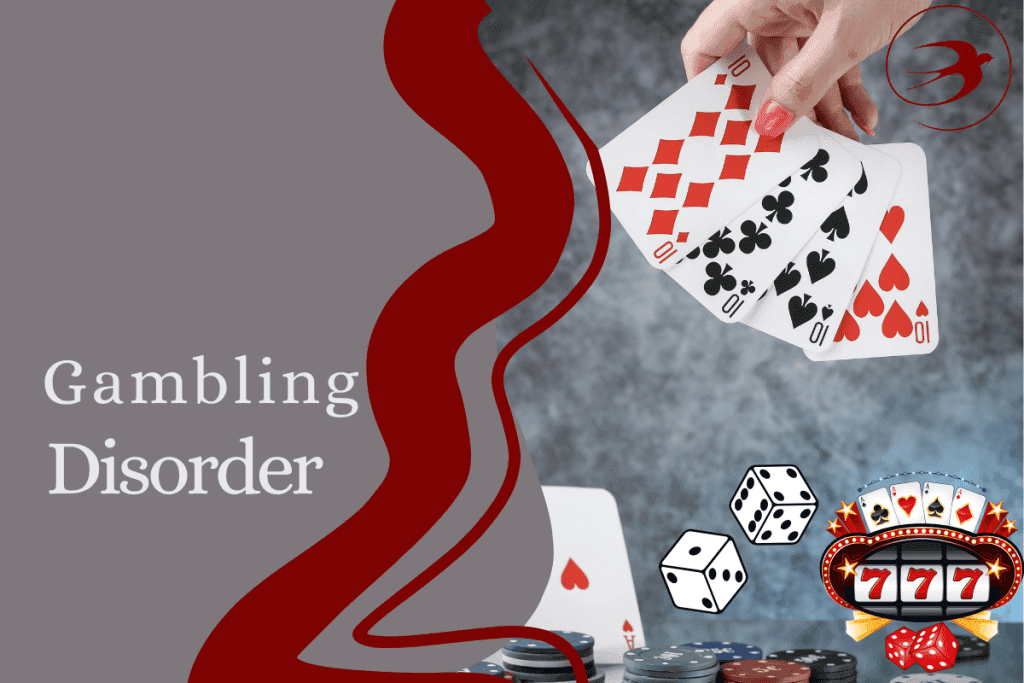
Gambling Disorder is the clinical term used when gambling becomes hard to control and continues despite harmful consequences. In the Diagnostic and Statistical Manual of Mental Disorders, it is recognized as a behavioral addiction, which means it can affect the brain, emotions, choices, and daily life in serious ways.
Many people use everyday terms like gambling addiction, problem gambling, compulsive gambling, or gambling problem. These terms may sound slightly different, but they often describe the same painful pattern. For some problem gamblers, gambling may feel exciting at first, but over time, their gambling behavior can become harder to manage.
Gambling addiction is not limited to casinos. It can involve sports betting, online gambling, lottery tickets, scratch cards, card games, gambling apps, or any activity where money or something valuable is risked for the hope of winning more.

The concern is not only how often someone gambles. It is also about how gambling affects their life. If gambling is creating stress, secrecy, debt, broken trust, or emotional distress, it may be time to look more closely at what is happening and consider support, such as cognitive behavioral therapy, which can help people understand and change harmful gambling patterns.
Internal link suggestion: Learn more about what gambling addiction means.
What Are the Signs of Gambling Addiction?
Gambling addiction can be hard to notice at first. Some people hide it well. Others may explain it away as entertainment, stress relief, or a plan to “win back” what was lost.
Common signs of gambling addiction may include:
- Thinking about gambling often
- Feeling unable to stop or cut back
- Needing to gamble with more money to feel the same excitement
- Chasing losses
- Hiding gambling from loved ones
- Lying about where the money went
- Borrowing money to gamble or cover losses
- Feeling restless, irritable, or anxious when trying to stop
- Gambling to escape stress, sadness, guilt, anxiety, or shame
- Damaging relationships, work, finances, or personal responsibilities
These signs do not mean a person is hopeless. They mean support may be needed. Naming the problem can be painful, but it can also be the first step toward freedom.
Internal link suggestion: Read more about gambling disorder symptoms.
Why Is Gambling So Hard to Stop?
Many people ask, “Why can’t I just stop gambling?” That question often comes with shame, frustration, and fear.
Gambling can create a powerful emotional cycle. A person may gamble for excitement, relief, escape, or the hope of fixing a financial problem. If they win, the win can create a rush of hope. If they lose, they may feel desperate to win the money back.
The cycle may look like this:
Urge → gambling → temporary excitement or relief → loss or guilt → promise to stop → stress → urge again
Over time, this cycle can become harder to break without support. The person may not even be gambling for fun anymore. They may be gambling to escape pain, numb stress, or chase relief.
This is why compassion matters. Shame often tells people to hide. Healing invites people to be honest in a safe place.
What Causes Gambling Addiction?
There is not always one simple cause of gambling addiction. For many people, it develops from a mix of emotional, mental, social, spiritual, and environmental factors.
Possible causes and risk factors may include:
- Stress or emotional overwhelm
- Anxiety or depression
- Trauma or painful life experiences
- Financial pressure
- Easy access to online betting or gambling apps
- Family history of addiction or gambling
- Learned patterns around money or risk
- Loneliness or isolation
- Shame and avoidance
- The brain’s reward system
Gambling may begin as entertainment, but for some people, it slowly becomes a way to cope. When gambling becomes the place a person turns for relief, escape, hope, or control, the pattern can become deeply rooted.
Internal link suggestion: Learn more about the causes of gambling addiction.
How Gambling Addiction Can Affect Mental Health
Gambling addiction often affects more than money. It can deeply impact a person’s emotional and mental health.
A person may experience anxiety, depression, guilt, shame, isolation, sleep problems, or constant worry. They may feel trapped between wanting to stop and feeling unable to stop. They may also feel afraid of what will happen if others find out.
For some people, gambling becomes connected to spiritual pain too. They may feel distant from God, ashamed to pray, or unworthy of help. But struggle does not place a person outside of God’s care. Grace does not ignore responsibility, but it does make room for honesty, healing, and change.
Faith-based counseling can help people face the truth without being crushed by shame. It can offer both spiritual encouragement and practical tools for recovery.
How Gambling Addiction Affects Relationships and Finances
Gambling addiction can place heavy strain on relationships. Loved ones may feel hurt, confused, angry, afraid, or betrayed. Trust may be damaged by secrecy, hidden debt, broken promises, or repeated attempts to stop that do not last.
Finances can also become a major source of stress. A person may use savings, credit cards, loans, or money meant for bills. They may try to win back what they lost, only to create deeper financial pain.
Healing often requires honesty, accountability, boundaries, and support. Rebuilding trust takes time. It is not only about saying, “I’m sorry.” It is about creating new patterns that are steady, honest, and safe.
Can Therapy Help With Gambling Addiction?
Yes, therapy can help with gambling addiction. Therapy gives a person a safe space to understand the pattern, identify triggers, manage urges, and build healthier ways to cope.
Therapy may help a person:
- Understand why gambling became hard to stop
- Recognize emotional and situational triggers
- Build skills to manage urges
- Address shame, anxiety, depression, or trauma
- Create practical boundaries around money and access
- Rebuild honesty and trust
- Develop healthier coping tools
- Strengthen spiritual and emotional support
Faith-based counseling can also help people connect recovery with hope, grace, responsibility, and restoration. The goal is not judgment. The goal is healing.
When Should You Seek Help for Gambling Addiction?
It may be time to seek help if gambling is affecting your peace, finances, relationships, work, or faith.
You may need support if:
- You have tried to stop but keep going back
- You hide gambling from people you love
- You feel anxious, ashamed, or hopeless after gambling
- You gamble to escape emotions
- You chase losses
- You borrow money or use money needed for bills
- Loved ones have expressed concern
- Gambling feels like it is controlling your life
You do not have to wait until everything falls apart to ask for help. Early support can make a meaningful difference.
How Faith-Based Counseling Can Support Healing
Faith-based counseling can help people face gambling addiction with both truth and compassion. It allows room for honest conversations about shame, secrecy, fear, forgiveness, and change.
Healing from gambling addiction often includes both grace and responsibility. Grace reminds you that you are not beyond help. Responsibility helps you take the next right step.
A faith-based counseling approach may include prayer, Scripture-informed encouragement, emotional support, and evidence-based therapy tools. This kind of care can help you rebuild trust, strengthen your coping skills, and move toward a more peaceful life.
Final Thoughts
Gambling addiction can feel heavy, lonely, and full of shame, but it does not have to define your future. With support, honesty, and the right tools, it is possible to understand the pattern and begin making healthier choices.
You do not have to carry this alone. If gambling has started to affect your peace, relationships, finances, or faith, reaching out for help can be one brave step toward healing.
Blessings,